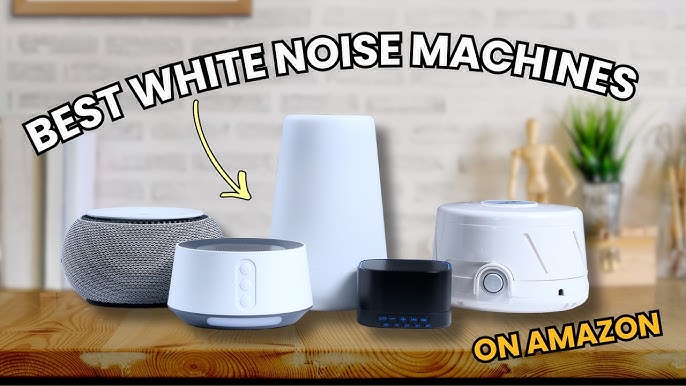
Ensuring a safe sleep environment is one of the most important responsibilities for parents of infants. Babies are highly sensitive to both sound and their surroundings, which means any sleep aid must be used carefully and correctly. Sound machines can be helpful tools for promoting better sleep, but they should always be used with safety as the top priority.
A well-chosen baby sound machine can support healthier sleep patterns by masking disruptive noise and creating a calm environment. However, understanding proper usage guidelines is essential to ensure these benefits do not come at the cost of infant safety or comfort.
Why Safety Matters in Infant Sleep Devices
Infants have developing hearing systems and are more sensitive to sound than adults. Improper use of sound devices, such as excessive volume or incorrect placement, may lead to overstimulation or discomfort.
Safe usage helps ensure:
- Protection of sensitive infant hearing
- Reduction of sleep disturbances
- Proper auditory development support
- A consistent and calming sleep environment
Parents should always prioritize safety features and correct usage over additional functionalities.
Recommended Safe Volume Levels
One of the most important safety considerations is controlling sound volume. Loud or prolonged exposure to sound can be harmful for infants.
Safe volume practices include:
- Keeping sound at a low to moderate level
- Ensuring the machine is not louder than normal conversation
- Avoiding sudden increases in volume
- Regularly checking sound intensity in the nursery
A gentle background sound is sufficient to mask environmental noise without overwhelming the baby.
Proper Placement of the Device
Where the sound machine is placed in the nursery plays a significant role in safety and effectiveness. Incorrect placement can increase sound intensity or reduce its intended benefits.
Best practices for placement include:
- Keeping the device at a safe distance from the crib
- Avoiding direct placement inside or attached to the crib
- Positioning it away from the baby’s head
- Ensuring stable and secure placement to prevent falls
Proper positioning helps distribute sound evenly while minimizing direct exposure.
Continuous Use vs. Timed Use
Parents often wonder whether a sound machine should run all night or only during sleep onset. Both options can be safe when used appropriately.
Guidelines include:
- Using continuous sound for infants sensitive to noise
- Using timers for babies with established sleep routines
- Ensuring no sudden silence that may disrupt sleep
- Avoiding unnecessary prolonged exposure when not needed
The goal is to maintain consistency without overuse.
Choosing Safe Sound Types
Not all sound options are equally suitable for infants. Safe sound choices are typically soft, steady, and non-stimulating.
Recommended options include:
- White noise
- Soft heartbeat sounds
- Gentle rainfall or nature sounds
- Low-frequency ambient tones
Avoid overly sharp, complex, or rapidly changing audio patterns that may disturb sleep.
Monitoring Baby’s Response
Every baby responds differently to sound environments. Parents should observe how their infant reacts when using a sound machine.
Positive signs include:
- Easier sleep onset
- Longer uninterrupted sleep periods
- Calm behavior during bedtime
- Reduced startle response
If signs of discomfort appear, adjustments to volume or sound type should be made.
Safe Use During Travel and Different Environments
Portable sound machines are often used outside the home, but safety guidelines still apply in all environments.
Key considerations include:
- Maintaining consistent volume levels
- Ensuring secure placement in travel settings
- Avoiding excessive reliance in very quiet environments
- Keeping the device clean and well-maintained
Consistency in safe usage helps maintain sleep routines across different locations.
Avoiding Overdependence
While sound machines are helpful, it is important not to rely on them as the sole sleep solution. Babies should gradually learn to sleep in varying sound conditions.
Balanced usage includes:
- Using sound machines as part of a broader bedtime routine
- Gradually reducing reliance as the baby grows
- Encouraging other calming sleep cues such as dim lighting and routines
- Maintaining flexibility in sleep environments
This helps support long-term healthy sleep development.
Additional Safety Tips for Parents
Beyond sound and placement, general safety practices are also important:
- Regularly inspect the device for damage
- Use certified and baby-safe products
- Keep cords and chargers out of reach
- Follow manufacturer guidelines carefully
These small precautions help ensure safe and reliable use.
Final Thoughts
A baby sound machine can be a valuable tool for supporting infant sleep when used correctly. However, safety should always remain the highest priority. By following proper guidelines for volume, placement, sound selection, and usage habits, parents can create a calm and secure sleep environment. With careful attention and consistent practices, a sound machine can help improve sleep quality while ensuring the well-being and comfort of the baby.